Updated November 2026 · By Richard Tiland, Founder, New Evolution Video, San Diego
Every company wants a customer on camera saying how great they are. Almost nobody wants to watch it. The clip where someone stiffly recites three sentences about “best-in-class support” does not build trust. It looks like a hostage video with good lighting. The testimonials that work sound like a person telling you what happened to them.
This guide covers how to make testimonial videos that feel that way: who to interview, which questions to ask, and what to do when your customer locks up the second the red light comes on. It comes from more than 2,100 productions since 2006, and a large share of them were built around someone talking to a lens.
1. Decide what the video has to prove
Before you think about cameras or questions, decide what job the video does. Testimonial.to makes the same point: a testimonial with no clear goal is just a nice story. A prospect rarely needs to hear that you are great. They have one specific doubt, and the video exists to remove it.
Pick one doubt per video. It might be price (“is this worth it?”), switching risk (“will moving to them break everything?”), speed (“how long until it works?”), or trust (“will they still pick up the phone after they have my money?”). The doubt decides which customer you interview and which questions you ask. A video that tries to remove five doubts removes none.
This is also why the best testimonials are specific rather than glowing. A customer describing the problem they had, what changed, and the number attached will outsell any amount of enthusiasm. Every claim on your own website is understood to be marketing. The same claim from someone who paid for the product is evidence.
2. Choose who to interview
The biggest logo is not automatically the best subject. I have watched brilliant, well-funded customers deliver forgettable footage because they were guarded, rehearsed, or simply bored. Choose the person, not the company. Here is what I look for:
- They lived with the problem. The manager who struggled for a year before you fixed it has a better story than the executive who signed the contract.
- There is a real before and after. Ideally with a number: hours saved, leads gained, cost cut, days shortened. If they cannot name a change, they cannot tell a story.
- They look like your next buyer. Your prospect should think, “that is my job, my size, my headache.”
- They are genuinely happy, not just polite. Polite customers give you polite footage.
- They talk in stories. This is the one people skip.
The easiest way to test for it is a five-minute phone call before you commit. Ask, “How did you first find us?” and then stay quiet. If they wander into a real story with a place, a person and a detail, you have your subject. If they answer in one corporate sentence and stop, they can still be great, but you will have to work harder in the interview.
Shortlist two or three customers, then film the strongest. One excellent testimonial beats five average ones, and the shortlist protects you when someone cancels the week of the shoot.
3. Make the ask easy
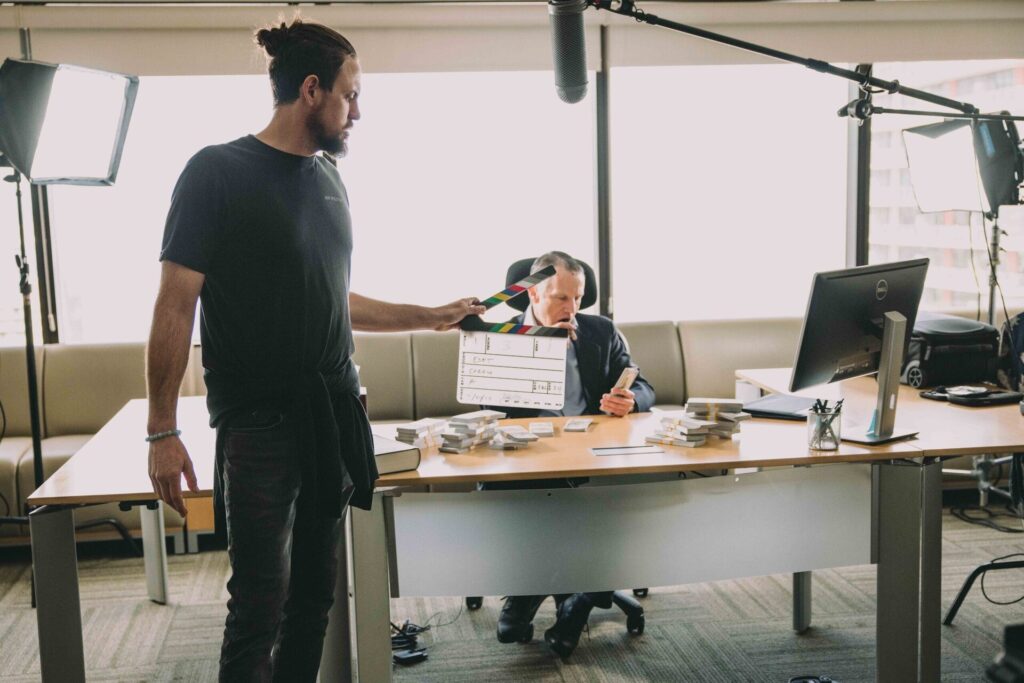
Most testimonial projects die at the ask, not on set. A busy customer is doing you a favor, so make yes the easy answer. The introduction should come from the person they already trust at your company. After that, remove every unknown: how long it takes (about an hour on camera), where it happens (somewhere convenient for them), who will see it, and what they have to prepare. The answer to that last one should be nothing.
Tell them plainly what not to prepare. Do not send a script and do not ask them to write talking points. Testimonial.to recommends sending a few focused questions and telling the customer not to rehearse answers, and I agree with the spirit of that. Handle the release paperwork up front so there is no awkward legal moment on the day.
At New Evolution Video we run this part for our clients. You introduce us to the customer, and we handle the ask, the questions and the release. That matters because the customer relationship is yours and the process is ours.
4. Ask questions that get stories, not slogans
The quality of a testimonial is decided by the questions. “What do you like about working with us?” produces adjectives. “Tell me about the week you realized you needed to change something” produces a scene. Ask for events, not opinions.
Here are the questions I build most testimonial interviews around:
- Tell me a little about what you do and who you do it for.
- What was going on before you started working with us? What was the day-to-day like?
- What had you already tried, and why did it not work?
- What made you take a chance on us?
- What was the first moment you thought, “this is actually working”?
- What is different now? Give me a number or a specific example.
- What surprised you?
- Who would you tell to call us, and what would you say to them?
The real material arrives in the follow-ups. When a customer says “it saved us a lot of time,” the next question is always “how much time, and what do you do with it now?” When they say “the team was great,” ask, “What is one thing they did that you did not expect?” You are mining for the detail that makes a stranger believe them.
There is a real disagreement in the industry about sharing questions in advance. Writers at Microsoft in Business and Orbit Media advise keeping them private so the answers do not harden into scripts, while Veed says sharing them can help people think. My rule sits in the middle: share the topics, never the wording. Tell them “we will talk about what things were like before, what changed, and the results,” and keep the actual questions to yourself.
Here is what a real customer interview looks like when the subject is at ease: a Netradyne customer interview with Barrett Britt.
Customer testimonial: Netradyne, interview with Barrett Britt.
5. Do not script it, but do not wing it
Unscripted does not mean unprepared. The interviewer prepares heavily so the customer does not have to. Know the customer’s story before you arrive, know the one doubt the video must remove, and know which two or three moments you are hunting for. Then be willing to throw the question list away when they say something better.
That is the real skill. The list gets you started. Listening gets you the footage. Customers can tell within a minute whether you are reading a form at them or genuinely curious, and they respond in kind. Orbit Media points out that 70% of Americans say they look at reviews when making a purchase decision, which is exactly why a performed testimonial costs you so much. People are practiced at sniffing out the fake ones.
6. How to direct someone who freezes on camera
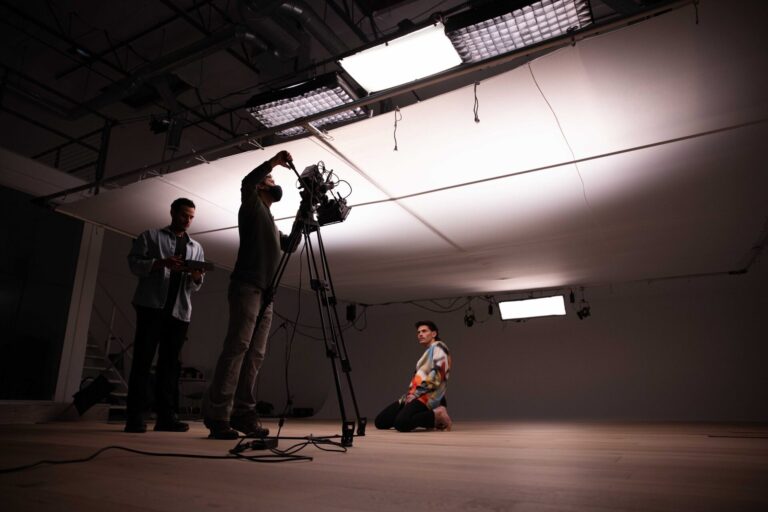
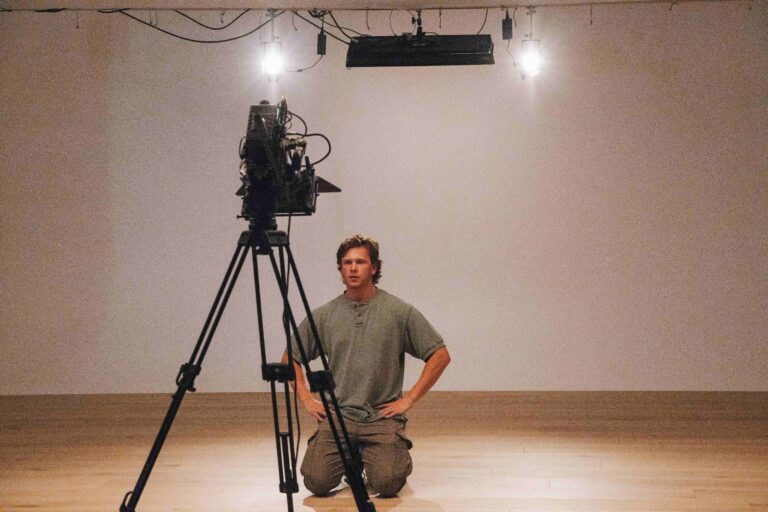
This is where most DIY testimonials fall apart, and where directing experience earns its keep. Nearly everyone tightens up when a camera points at them. Your job is to make the camera disappear. These are the techniques I use most:
- Start with throwaway questions. Spend the first five minutes on easy, low-stakes topics: the commute, the coffee, how long they have been in the role. Roll on the first real question when their shoulders drop, not before. Veed also recommends chatting casually before you start recording.
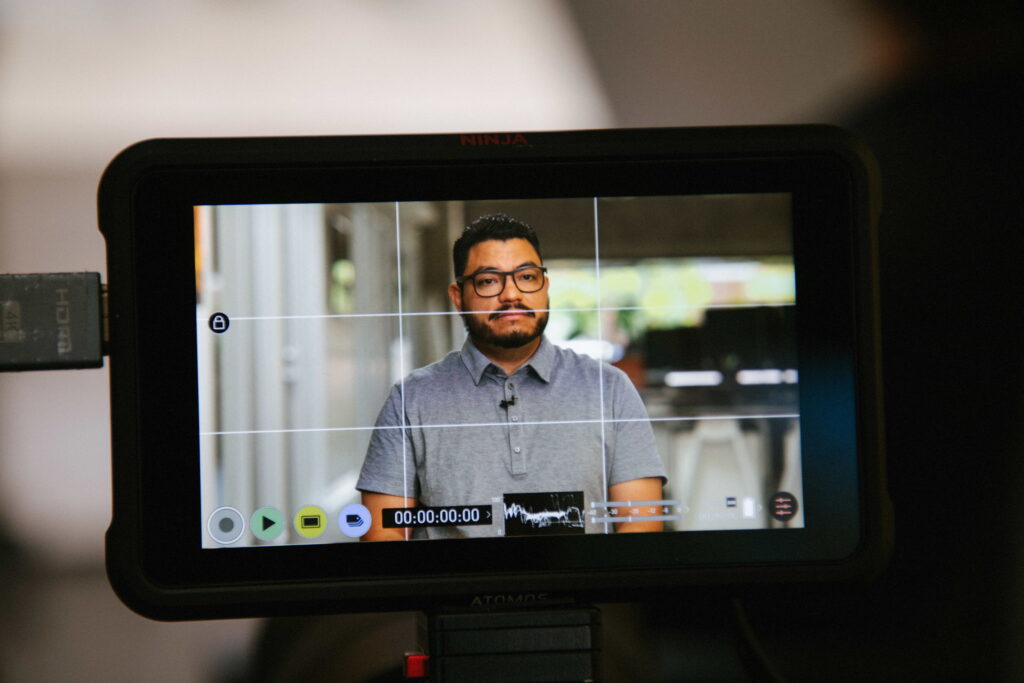
- Have them talk to you, not the lens. Put the interviewer right next to the camera so their eyeline sits just off the lens. A person talking to a human being sounds like a human being. A person talking to a glass circle sounds like a press release.
- Never say “just relax.” It has never relaxed anyone in the history of film. Give them something to do instead: a breath, a sip of water, a different chair position, a laugh at the crew’s expense.
- Give them permission to restart. Say it early and mean it: “We will do everything twice. Nothing counts until I say it does.” Pressure drops when people know a mistake is free.
- Interrupt the script voice. When someone slips into recital mode, stop them kindly. “That sounded great, but tell me like you would tell a colleague at lunch.” The second take is nearly always the better one.
- Ask for the same answer in a different shape. If a good thought comes out tangled, ask, “Say that again, but start with what happened.” Stories beat summaries.
- Shorten your questions. Long, clever questions make nervous people hesitate. Ask short ones, and let silence do the work. Most people will fill a pause with the truth.
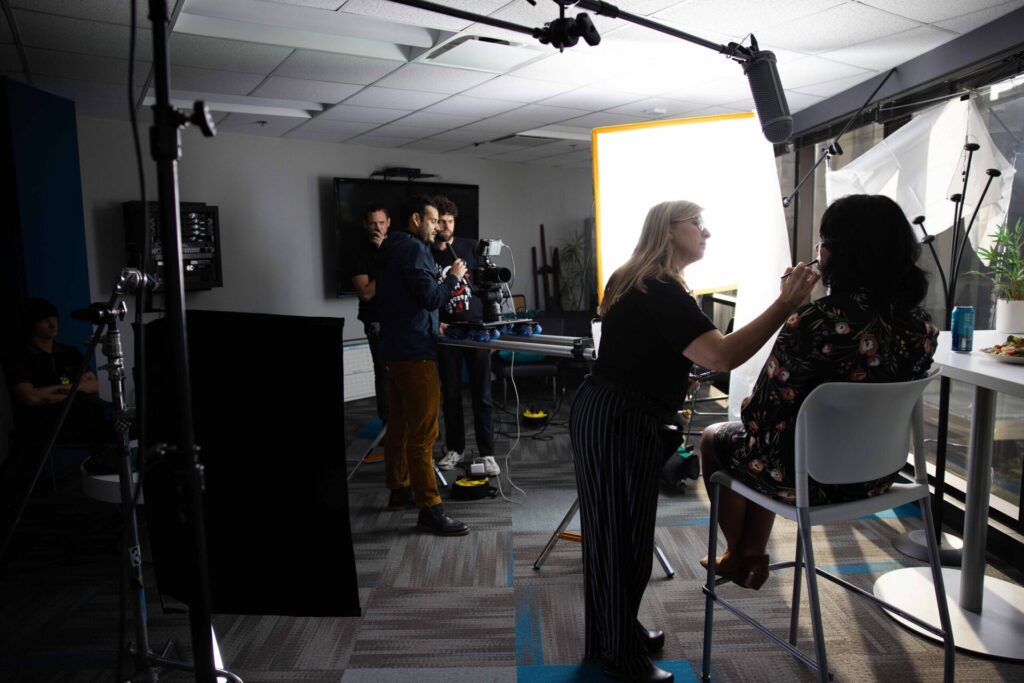
- Keep the room small. One interviewer, one camera operator, minimal bystanders. Every extra observer is an extra audience.
- Close with an open door. “Is there anything we did not ask that you wanted to say?” This is often when the best line shows up, because the pressure has finally gone.
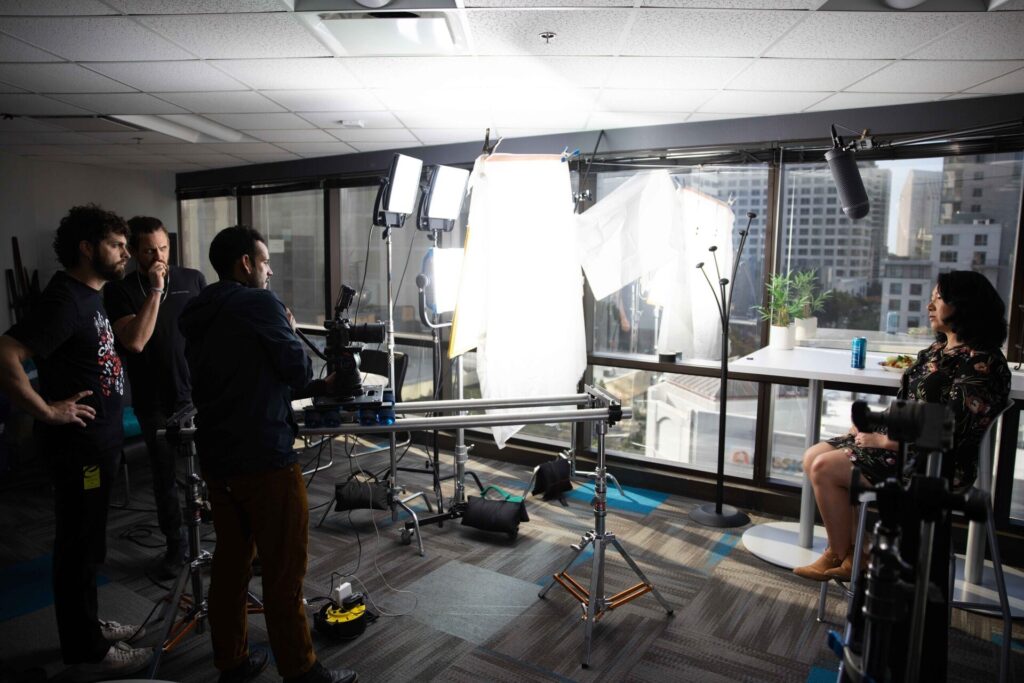
If someone is truly stuck, change the activity instead of repeating the question. Walk them to the window, have them show you the product, or move from the chair to a more casual setup. A change of physical state often changes the quality of the answer.
A different customer, a different story, and the same goal of specific over glowing: a Qcells testimonial.
Customer testimonial: Qcells.
7. Build a room that feels like a conversation
The setting should help the customer forget they are being filmed. SproutVideo’s guest contributors warn against green screens and digital tricks because they make the whole piece feel artificial, and I agree. Use a real setting, real light and a comfortable chair, and skip the teleprompter entirely.
Where you film depends on the customer. On their site you get authenticity and a sense of place, and they feel at home. In our studio you get controlled light, clean sound and a faster, more predictable day. For many companies a hybrid works best: studio interviews for customers who travel to you, plus on-location interviews for the ones who will not leave their desks. Either way, good audio matters more than anyone expects. People forgive a slightly soft image far sooner than they forgive muffled sound.
For a sense of how interview-led work looks in practice, our portfolio includes interview films for attorneys, brand campaigns for ESET and promotional work for Artiva.
8. Edit for specifics
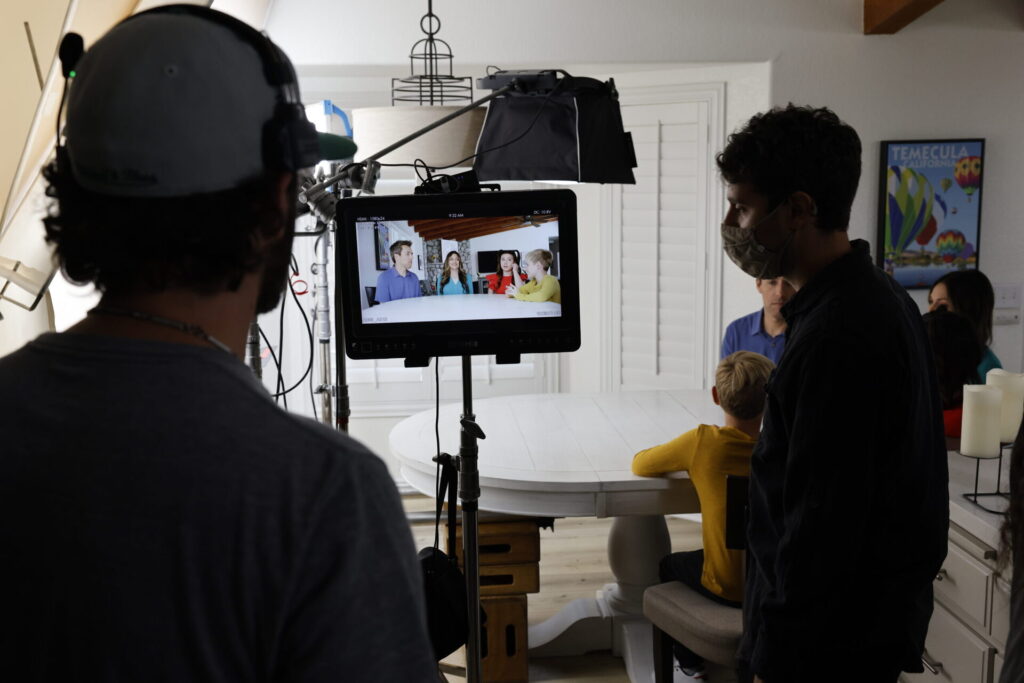
The edit is where the footage becomes proof. A good testimonial runs about sixty to ninety seconds, and the discipline of getting there is mostly cutting adjectives. Keep the sentence with the number. Keep the moment where they pause and say something unexpected. Cut every “we really love working with them,” because it adds nothing a viewer will believe.
A few edit rules I follow:
- Open with the problem or the result, not the logo and not the pleasantries.
- Leave in some of the human stumbles. A clean, seamless answer can sound like a rehearsal.
- Add short cutaways of the customer working, so the audio carries the story and the picture proves it.
- Cut shorter versions from the same interview, at fifteen and thirty seconds, for social and sales follow-up. One shoot should fuel months of content.
And one more, from Medspeed.
Customer testimonial: Medspeed.
Frequently asked questions
How long should a testimonial video be?
Sixty to ninety seconds works for the main cut on your site and in sales conversations. Shorter versions suit social, and a longer story can live on a case study page.
Should I script a customer testimonial?
No. Write the questions, not the answers. A script produces recital, and viewers hear it immediately.
Can a customer just film it on their phone?
Sometimes, and it is better than nothing for a quick social clip. But a phone video usually has uneven sound, distracting framing and no direction behind it, and it will struggle to carry your homepage or a sales deck.
How many customers should I interview?
Start with two or three candidates and film the strongest. If you have a few different buyer types, one testimonial per type usually does more than several that all say the same thing.
The short version
Pick one doubt for the video to remove. Choose the customer who lived the problem and can tell it as a story. Make the ask effortless. Ask for events, not opinions, and follow up on every vague answer. When someone freezes, change the situation instead of repeating the instruction. Then edit for the sentence a stranger would believe.
If you would like a team to run the whole process, from the customer pick to the final cut, take a look at our testimonial video production service in San Diego. You make the introduction, and we handle the rest.